
 English
 German
 French
 Russian
 Spanish
 Japanese
 Korean
 Portuguese
 Ukrainian
 Arabic
 Italian
As the insulated bottle industry continues to grow, so do consumer expectations. Today’s buyers are looking for more than just functional products—they want durability, style, sustainability, and ease of use. In this competitive landscape, managing these expectations is crucial for maintaining customer satisfaction and loyalty. This article explores actionable strategies for effectively managing consumer expectations in the insulated bottle market, with specific examples and solutions that businesses can implement.
Why Managing Consumer Expectations is Key
Consumer expectations in the insulated bottle industry are higher than ever. Factors such as hygiene concerns, sustainability, product longevity, and aesthetics all play a significant role in shaping a customer's purchase decision. While the insulated bottle industry is inherently product-focused, brands must ensure that the experience customers have—before, during, and after purchase—aligns with their needs and expectations.
1. Setting Clear and Honest Expectations
To avoid disappointing customers, brands must be transparent about what their products can deliver. Here are a few common areas where expectations can often clash with reality:
Dishwasher Safety and Print Durability
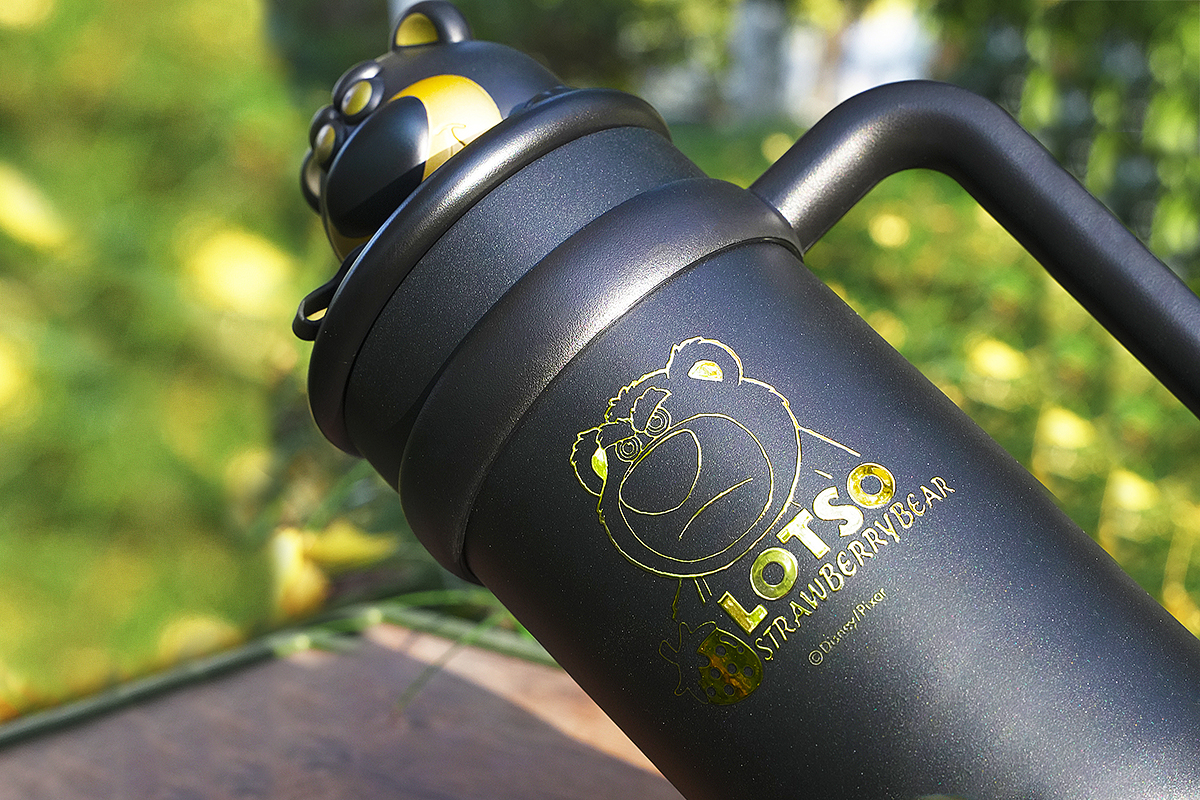
Problem: Many consumers expect their insulated bottles to be both dishwasher safe and resistant to print fading or peeling. However, many prints (especially those on the exterior) can deteriorate after repeated washing, especially with harsh detergents or high heat.
Example: Imagine a customer buys a premium insulated bottle expecting the bottle’s print to remain pristine after multiple dishwasher cycles. After several washes, the print begins to fade, leading to frustration and disappointment, as the customer had high expectations based on the brand's product description.
Solution: Set clear expectations upfront. If the product is dishwasher safe but prints may degrade, communicate that with honesty. For instance, include on the product description or label:
“Dishwasher cleaning: The lid of the thermos can be washed on the top rack of the dishwasher, and the straw can be placed in the cutlery box. Although the cup is technically dishwasher safe, we strongly recommend that you hand wash the cup to preserve its beauty and heat retention properties.”
Another effective strategy is to invest in more durable printing methods, such as laser etching or UV printing, which withstand high temperatures and abrasive detergents better than standard ink-based prints. Offering removable or optional covers for the prints could also be a useful solution, as it helps customers maintain the product’s aesthetics over time.

2. Understanding Consumer Priorities with Real-Life Examples
To manage expectations, it’s essential to understand what your consumers value the most. Let’s take a look at different customer segments and their primary concerns:
Example 1: Budget-Conscious Shoppers
Example: A more budget-conscious consumer might look to brands like Contigo for affordable, functional insulated bottles. While they still want durability, they are less concerned with luxury or the latest technology and more focused on practical, cost-effective solutions.
Solution: For these buyers, it’s important to offer clear messaging about the value-for-money aspect. Brands can provide a simple, no-frills product that performs well without excess features. Offering durable prints and easy-to-clean designs helps meet the functionality needs of budget-conscious consumers.
Example 2: Eco-Conscious Consumers
Example: Consumers who prioritize sustainability, like those shopping with brands such as S'well or Klean Kanteen, are often looking for bottles made from recyclable materials, with minimal environmental impact. They are also willing to pay a premium for eco-friendly solutions.
Solution: To appeal to this segment, brands can focus on using BPA-free, recyclable, and biodegradable materials. Highlight the sustainability of the product in all marketing materials, including the use of eco-friendly inks for printing and sustainable packaging. For example, S'well communicates its commitment to reducing single-use plastic waste, making it a strong selling point for environmentally-conscious consumers.
Example 3: Premium Market Consumers
Example: A brand like Hydro Flask is known for its high-quality, sleek designs and premium features, appealing to consumers who prioritize both functionality and aesthetics. These customers expect their bottles to keep drinks hot or cold for hours, have leak-proof lids, and look stylish while doing it.
Solution: Brands targeting this market should focus on durable materials and advanced insulation technology. Providing clear information on the product’s performance and longevity helps manage consumer expectations. For example, highlight the use of 18/8 stainless steel or double-wall vacuum insulation to assure customers that they are getting a high-quality, long-lasting product.
3. Investing in Durable and Sustainable Product Design
Consumers expect products to last—and brands need to meet that demand. Here’s how brands can invest in design and materials to reduce future complaints.
Durability of Prints and Logos
Example: Customers buying an insulated bottle expect the print (logo, design, etc.) to stay intact throughout the life of the product, even with frequent dishwasher use. However, lower-quality prints are often the first to degrade.
Solution: Invest in high-quality printing methods, such as sublimation printing or ceramic firing, which are more durable and resistant to fading. For example, Contigo often uses laser etching on its bottles, ensuring that their logos are permanent and won’t degrade over time.
Using Eco-Friendly Materials
Example: Klean Kanteen and Hydro Flask have successfully built their reputations on using eco-friendly materials, appealing to environmentally-conscious buyers.
Solution: Brands should invest in high-quality, BPA-free, and 100% recyclable materials to appeal to this growing demographic. Communicating the sustainability of the product—such as being made from stainless steel, which is durable and does not leach harmful chemicals—will help create value for consumers looking to make eco-friendly purchases.
4. Communicating the Value of Your Product
Managing expectations is not just about what your product can do but also how you communicate its value.
Example 1: Premium Product Messaging
Brands like S'well or YETI often emphasize the premium nature of their products, communicating quality through price, design, and customer experience.
Solution: If you’re marketing a premium product, don’t just focus on the features. Highlight the long-term benefits—such as better insulation, longevity, and enhanced design—that justify the higher price point. Show the product in real-life scenarios like camping, commuting, or gym use, demonstrating how it fits seamlessly into consumers’ lifestyles.
Example 2: Affordable, Practical Messaging
For budget-friendly brands like Contigo or Takeya, the emphasis should be on functionality and value for money. These products may not have the same luxury appeal but should showcase their performance and convenience.
Solution: Highlight the core benefits: easy-to-use, dishwasher-safe, leak-proof, and durable—all at an affordable price. Customer reviews that emphasize the product’s practicality can also build trust with potential buyers.

5. Educating Consumers on Product Care
Many consumers don’t know how to properly care for their bottles, leading to unnecessary wear and tear. Proper care instructions can extend the life of the product and prevent unnecessary disappointment.
Real-Life Example:
A customer may buy a stainless steel bottle with a beautiful design and expect it to stay pristine after years of use. However, improper care (e.g., washing it with abrasive sponges) can damage the surface and the print.
Solution: Include clear care instructions on the product packaging or website. For example:
“To preserve your print, hand wash with mild soap and warm water.”
“For dishwasher use, please place the bottle on the top rack and avoid high heat settings.”
Additionally, providing visual guides or care videos on your website or social media can ensure customers follow best practices, reducing wear and tear.
6. Handling Feedback and Complaints Proactively
Even the best products sometimes have issues. Handling complaints in a professional, transparent way can turn a dissatisfied customer into a loyal one.
Example:
If a consumer reports that the print on their bottle faded after several dishwasher cycles, offering a free replacement or discount on their next purchase shows commitment to customer satisfaction.
Solution:
- Offer clear warranty policies that include print durability as a potential concern.
- If a product fails to meet expectations, offer solutions like product replacements or discount codes.
- Be proactive in addressing negative reviews and offer personalized customer support to resolve any issues.
Conclusion: Building Trust Through Effective Expectation Management
To succeed in the competitive insulated bottle industry, brands must manage consumer expectations with transparency, quality, and strong communication. By setting clear guidelines about dishwasher safety, investing in durable and eco-friendly materials, and offering outstanding customer support, you can build trust and loyalty.
Brands that not only meet but exceed expectations—through innovation, clear communication, and practical solutions—will create a lasting impact and build a reputation for quality that stands out in today’s market.




