
 English
 German
 French
 Russian
 Spanish
 Japanese
 Korean
 Portuguese
 Ukrainian
 Arabic
 Italian
When sourcing insulated mugs from a supplier or manufacturer, ensuring product quality is essential to protect your brand’s reputation and customer satisfaction. A thorough evaluation of samples helps prevent issues like poor performance, defective finishes, or low durability. This guide outlines a step-by-step process to assess insulated mug samples effectively, covering surface finishes, insulation performance, and logo printing quality.
Step 1: Inspect Surface Finishes
The surface finish reflects both the product’s quality and durability. Follow these checks:
- Visual Examination: Check for consistent color, texture, and coating. Blemishes, scratches, or inconsistencies may indicate poor quality control.
- Material Verification: If the mug is advertised as stainless steel (typically 304-grade), verify this with a magnet test or request material certificates.
- Coating Durability: Lightly scratch or rub the surface to test paint adherence. Poor coatings may chip or wear off with use.
- Tactile Feel: The mug should feel smooth, without sharp edges or uneven seams.
- Logo Printing: Ensure the design is crisp, aligned with your brand standards, and resistant to peeling or fading.
Step 2: Test Insulation Performance
The primary function of an insulated mug is to maintain beverage temperature. Test this with:
Temperature Retention:
- Fill the mug with hot water (e.g., 90°C/194°F).
- Measure the temperature after 2, 4, and 6 hours.
- Repeat with cold water and ice cubes.
Leakproof Test: Invert the mug with liquid inside to confirm no leaks.
Condensation Test: Fill the mug with cold water and check for condensation on the exterior. High-quality insulation should prevent sweating.
Step 3: Evaluate Functional Components
Functional features like lids, handles, and seals affect user experience and durability:
- Lid Seal Integrity: Open and close the lid multiple times to test durability and leak resistance.
- Handle Strength: Apply moderate pressure to test for stability and break resistance.
- Ease of Cleaning: Disassemble removable parts (e.g., lids, seals) to confirm easy cleaning and reassembly.
Step 4: Ensure Safety and Compliance
Confirm the sample meets international safety and food-grade standards:
- Food-Grade Certification: Check for BPA-free, FDA-approved, or similar certifications.
- Thermal Safety: Ensure the mug’s exterior remains safe to touch when filled with hot liquids.
- Chemical Safety: Test for harmful substances like lead, cadmium, or phthalates.
Step 5: Assess Logo Printing Quality
Logo printing enhances branding and product appeal. Ensure it meets these standards:
- Print Accuracy: Verify sharpness, alignment, and consistency with your design.
- Durability: Rub the logo with a damp cloth and wash the mug repeatedly to test resistance to fading or peeling.
- Consistency: Ensure the logo appears uniform across multiple samples.
- Material Compatibility: Confirm the printing technique (e.g., laser engraving, UV printing) adheres well to the mug’s surface.
For 3D-Printed Logos:
- Design Precision: Ensure the 3D print is well-aligned and matches specifications.
- Surface Integration: The logo should sit flush with the mug’s surface without creating weak points.
- Durability: Test by applying pressure and washing the mug multiple times.
- Hygiene: Ensure the 3D-printed surface doesn’t trap dirt or moisture.
Step 6: Conduct Real-World Usability Testing
Test the mug in practical scenarios to evaluate user experience:
- User Feedback: Have multiple testers use the mug for a week and provide feedback on comfort, usability, and overall satisfaction.
- Dishwasher Test: If marked dishwasher-safe, run the sample through multiple wash cycles to check for damage or wear.
- Field Tests: Test the mug in different environments (e.g., office, outdoor) to assess performance and practicality.
Step 7: Compile and Compare Results
Organize your findings and compare them against your requirements:
- Performance Metrics: Ensure the sample meets or exceeds baseline standards for insulation, durability, and safety.
- Cost vs. Quality: Balance product quality with pricing to determine value for money.
- Supplier Communication: Discuss any issues or discrepancies with the supplier and request adjustments before finalizing orders.
Conclusion: Ensuring Quality with Expertise
Thorough evaluation of insulated mug samples protects your brand’s reputation and ensures customer satisfaction. Staying informed about trends like advanced logo printing and eco-friendly materials can give your brand a competitive edge.
At LOT, all our insulated mugs undergo rigorous quality testing to ensure top performance and durability. Our tests include:
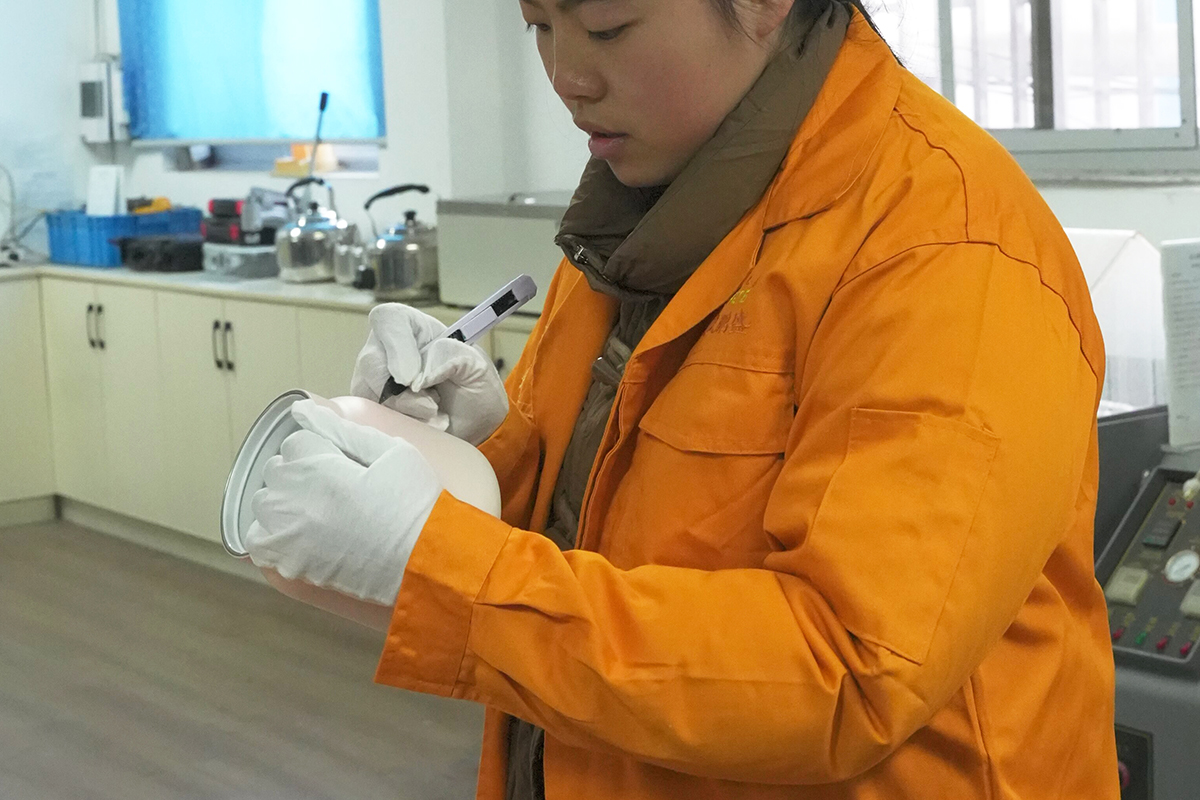
- Scratch Test: To confirm the coating's durability and resistance to wear.
- Insulation Performance Test: To guarantee excellent heat and cold retention over time.
- Leakproof Test: To ensure no leaks, even with daily use.
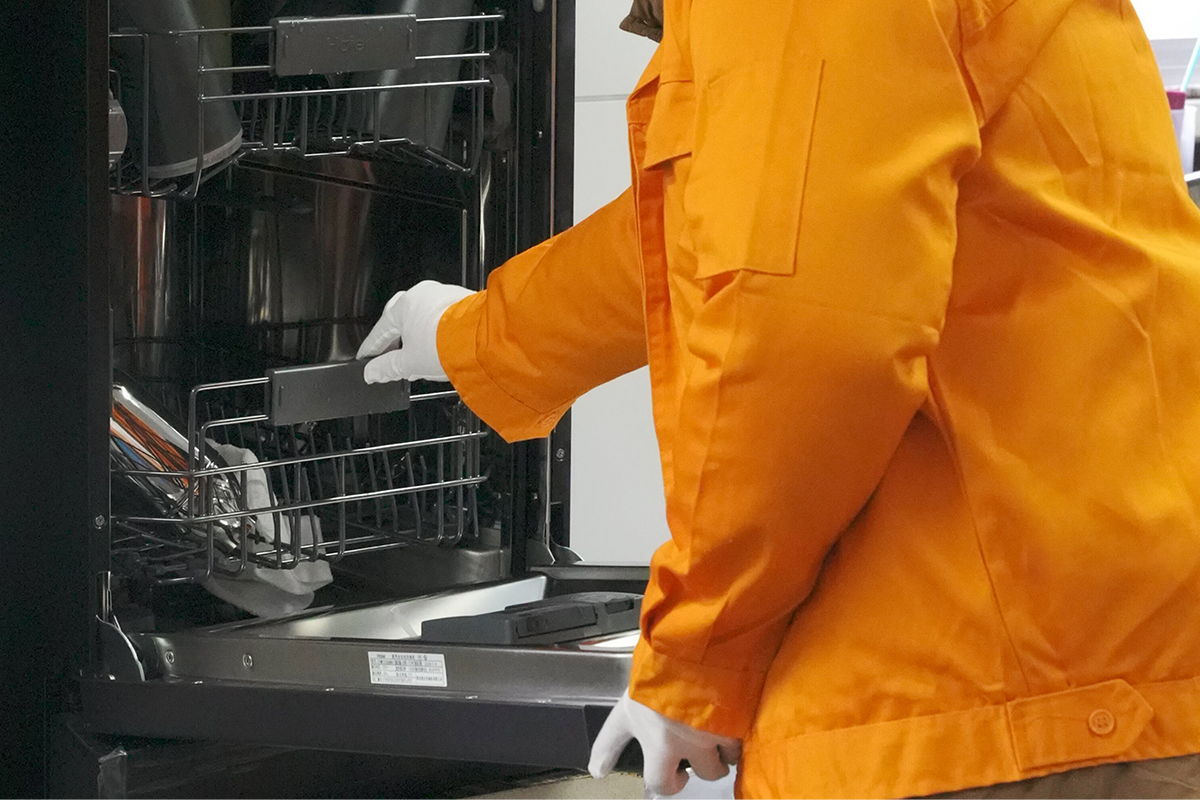
- Dishwasher Test: To verify that the mug withstands repeated washing without damage.
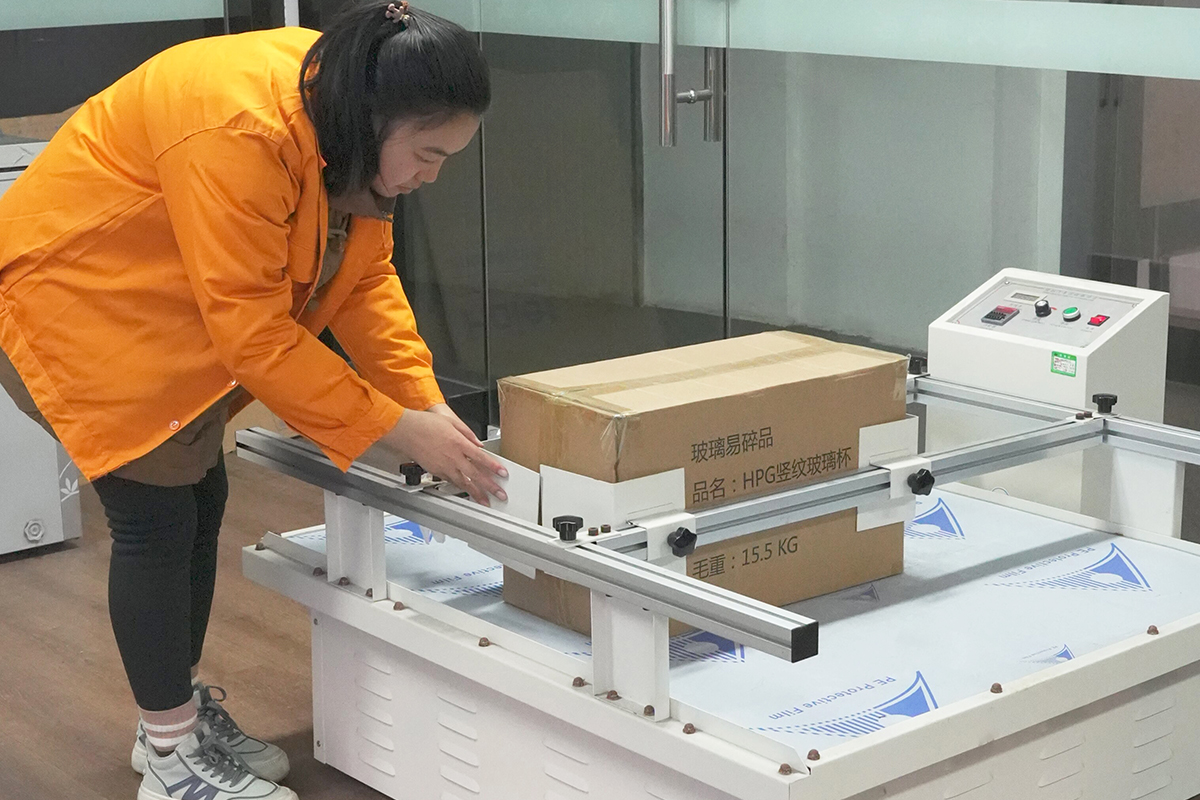
- Logistics Test: To confirm the product’s ability to endure shipping and handling without breaking.
- And More: Additional tests cover factors like drop resistance, pressure tolerance, material safety, and print adhesion to ensure consistent quality in every batch.
By prioritizing quality, safety, and functionality, you build a strong foundation for customer trust and brand loyalty.
Timely Tip: As sustainability continues to gain importance in 2025, consider evaluating samples for eco-friendly features. Recyclable materials, biodegradable coatings, or reduced manufacturing emissions can significantly enhance your brand’s appeal.
Whether you’re a start-up or an established business, a methodical approach to sample evaluation underscores professionalism and credibility—key attributes in today’s competitive market.




