
 English
 German
 French
 Russian
 Spanish
 Japanese
 Korean
 Portuguese
 Ukrainian
 Arabic
 Italian
Stainless steel is widely praised for its durability, resistance to corrosion, and versatility. From kitchenware and medical devices to jewelry and everyday products, it’s everywhere. However, one of the hidden risks of stainless steel lies in its nickel content, which can cause allergic reactions in certain individuals. For insulated bottle brands, understanding this risk and taking steps to address it is essential to ensure consumer safety and satisfaction.
What Makes Stainless Steel Potentially Risky for Allergic Consumers?
Stainless steel is an alloy made from a combination of iron, chromium, and nickel. While the material offers impressive resistance to rust and corrosion, nickel—the key metal used in many stainless steel alloys—can trigger allergic reactions in sensitive individuals. This is especially true for those who have nickel allergies, which are quite common worldwide.
Nickel sensitivity leads to contact dermatitis, characterized by symptoms such as itchy, red, and swollen skin. This condition can be aggravated by constant exposure to nickel, and the use of stainless steel insulated bottles could unknowingly contribute to allergic reactions if proper precautions aren’t taken.
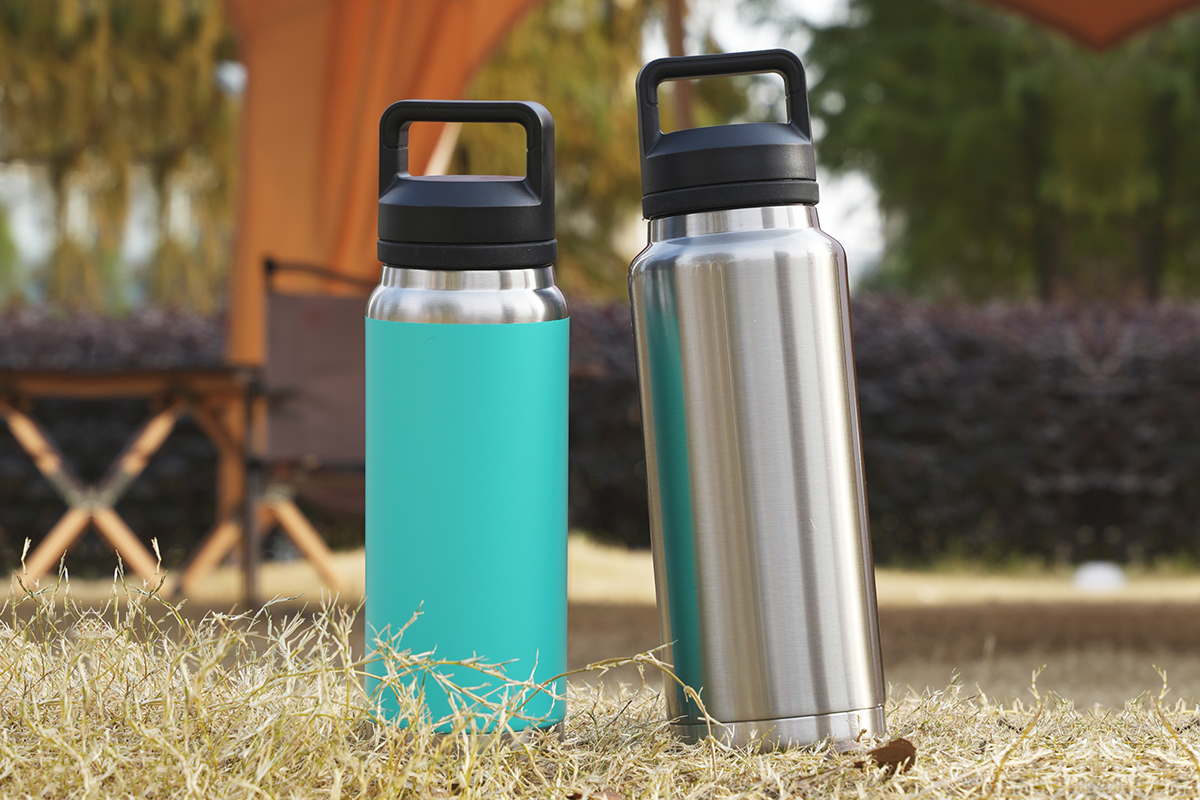
Can Stainless Steel Release Nickel?
Under normal conditions, high-quality stainless steel releases very little nickel, making it generally safe for most people. However, environmental factors like exposure to moisture, acidic conditions, or constant friction can increase the nickel release from stainless steel, especially if the product is used repeatedly or for long periods.
For example, insulated bottles that store acidic beverages such as citrus juices or sodas for extended periods can lead to higher nickel release. In these cases, it's crucial to maintain the product properly to minimize nickel exposure.
Educate Consumers: A Critical Step for Insulated Bottle Brands
To reduce the likelihood of nickel release, insulated bottle brands should actively educate consumers on proper care instructions. This can include:
- Avoiding Acidic Beverages: Recommending consumers not to store acidic drinks like citrus juices or sodas in stainless steel bottles for extended periods.
- Cleaning Guidelines: Informing consumers about the best practices for cleaning their bottles to prevent buildup and reduce nickel release.
- Proper Drying: Encouraging consumers to dry the bottles thoroughly after use to avoid moisture buildup, which can increase nickel release over time.
By providing this guidance, brands help minimize the risk of allergic reactions and ensure their products remain safe, durable, and functional for consumers.
Nickel in Stainless Steel: How Much Is Too Much?
Not all stainless steel alloys contain the same amount of nickel. The amount of nickel present can significantly affect the likelihood of an allergic reaction.
- 304 Stainless Steel: Contains 8%-10% nickel, making it the most common stainless steel alloy used for cookware, jewelry, and insulated bottles.
- 316 Stainless Steel: Contains a higher percentage of nickel, offering improved corrosion resistance, which is why it's used in premium medical devices and high-end insulated bottle products.
While higher-quality alloys generally release very small amounts of nickel under normal conditions, prolonged exposure to moisture or acidic environments can increase the rate of nickel release.
Titanium Bottles: An Alternative for Nickel Allergic Consumers
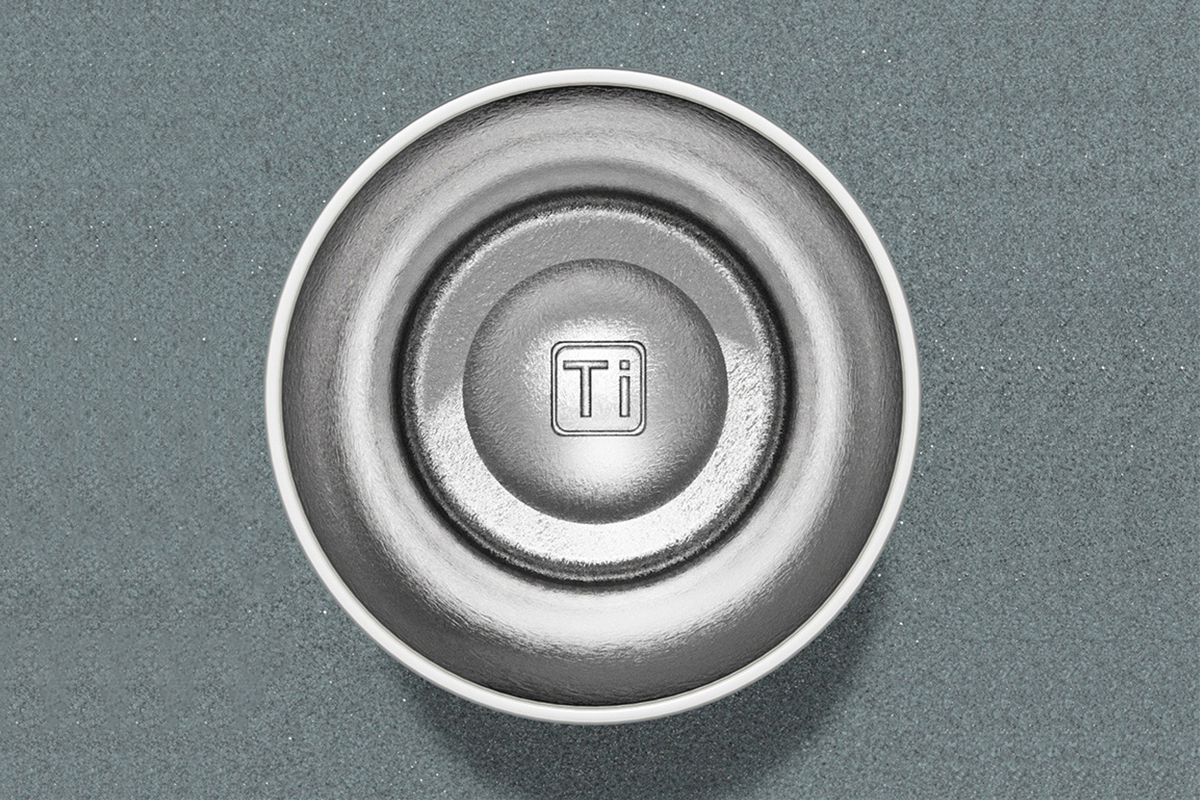
For consumers who are sensitive to nickel, titanium bottles can be an excellent alternative to stainless steel insulated bottles. Titanium is a highly corrosion-resistant metal and does not contain nickel, making it a great option for those with nickel allergies. Additionally, titanium is incredibly strong, lightweight, and durable, which is why it's often used in medical devices and high-end outdoor products.
While titanium bottles offer similar thermal insulation performance to stainless steel insulated bottles, their price is generally much higher, often several times more expensive. Therefore, while titanium bottles are safe and effective for those with allergies, their cost may be a consideration for some consumers.
Insulated bottle brands should consider offering titanium options as part of their product range for consumers who require a hypoallergenic material, but they should also communicate the price difference and set the right expectations about the product's value.
How Can Insulated Bottle Brands Address These Risks?
Insulated bottle brands can mitigate the risks of stainless steel allergies by considering the following:
- Offer Low-Nickel or Nickel-Free Options: Brands should consider providing stainless steel insulated bottles made from 304L or other low-nickel grades. Offering nickel-free or hypoallergenic alternatives like titanium, platinum, or silicone for insulated products can help accommodate allergic consumers.
- Label Transparency: Clearly state the nickel content and any allergy-related information on the product labels. Brands should consider including a disclaimer or an allergy advisory, particularly for insulated bottles and water bottles.
- Invest in Quality Standards: Products should meet strict EU nickel release standards (maximum 0.5 µg/cm²/week) to ensure safety and reduce the risk of allergic reactions. Insulated bottle brands that comply with these standards not only help protect consumers but also build trust in their products.
Managing Stainless Steel Allergies: An Insulated Bottle Brand's Responsibility
For insulated bottle brands, understanding and addressing the risks of nickel allergies is not just about product safety—it’s also a key part of consumer trust and brand loyalty. By offering safer products and being transparent about potential risks, insulated bottle brands can create a more inclusive environment for allergic consumers.
Moreover, educating customers on the proper care and usage of stainless steel insulated bottles can go a long way in minimizing health risks. Brands that take these proactive steps will not only reduce the risk of allergic reactions but also position themselves as responsible, consumer-focused companies.
Conclusion: How Insulated Bottle Brands Can Protect Consumers and Enhance Their Products
The hidden risks of stainless steel, especially for individuals with nickel allergies, are an important consideration for insulated bottle brands. By offering low-nickel or nickel-free options, providing clear labeling, and educating consumers about proper care, brands can help mitigate these risks and create safer products for all consumers. Ultimately, taking these precautions ensures that stainless steel can continue to be a trusted material for insulated bottle products, without compromising consumer health.
Key Takeaways:
- Nickel allergies affect a significant portion of the population, making it an important consideration for insulated bottle brands.
- Offering low-nickel or hypoallergenic stainless steel options can help insulated bottle brands accommodate sensitive consumers.
- Clear product labeling and consumer education on product care are essential for minimizing allergic reactions.
- Insulated bottle brands that prioritize nickel safety and quality standards build trust and promote consumer health.
- For consumers with nickel allergies, titanium insulated bottles are a safe alternative, though they offer similar thermal insulation performance to stainless steel insulated bottles, but are typically several times more expensive.




