
 English
 German
 French
 Russian
 Spanish
 Japanese
 Korean
 Portuguese
 Ukrainian
 Arabic
 Italian
In the fast-paced world of product manufacturing, personalization has become a powerful consumer trend. As more customers seek customized products that reflect their unique identities, companies are turning to innovative manufacturing techniques to meet these demands. Among these technologies, 3D printing has emerged as a game-changer, especially when it comes to customizing logos on thermos cups. This technology is not only enhancing branding opportunities but also addressing some of the key challenges associated with traditional methods like screen printing and laser engraving.
The Limitations of Traditional Logo Customization Methods
In traditional manufacturing, customizing logos on thermos cups typically relies on screen printing or laser engraving. While these methods have their advantages, they come with inherent limitations, particularly in their ability to handle complex designs or create multi-dimensional features.
Screen printing and laser engraving are typically best suited for simpler, two-dimensional designs, often using materials like inks or surface etching. These techniques struggle to create intricate patterns or designs that require fine detail and precision. Additionally, they rely on labor-intensive processes and the use of specialized equipment, both of which increase production costs and time.
How 3D Printing Breaks the Limits of Traditional Methods
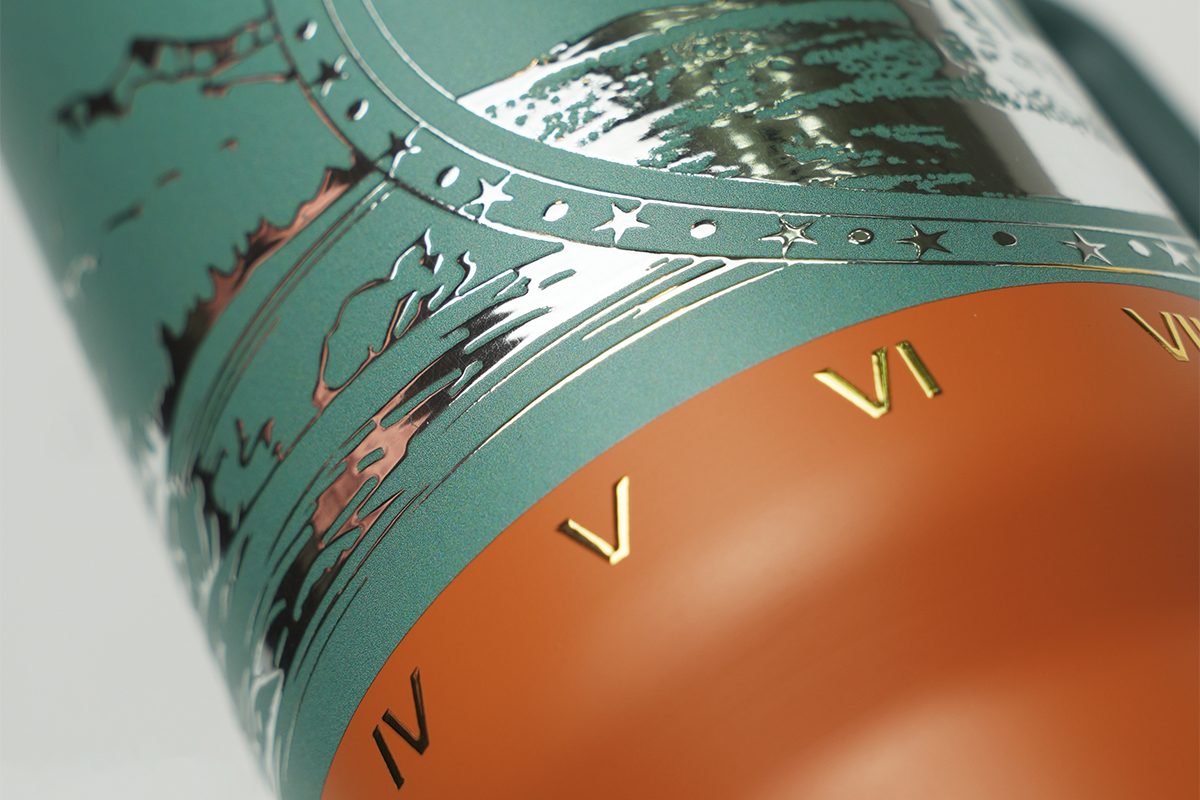
3D printing addresses these challenges by offering a wide range of materials—including plastics, metals, and ceramics—which can be used to create highly detailed, durable logos. This flexibility allows brands to design logos with intricate patterns and unique shapes that reflect their brand identity in a way that traditional methods cannot.
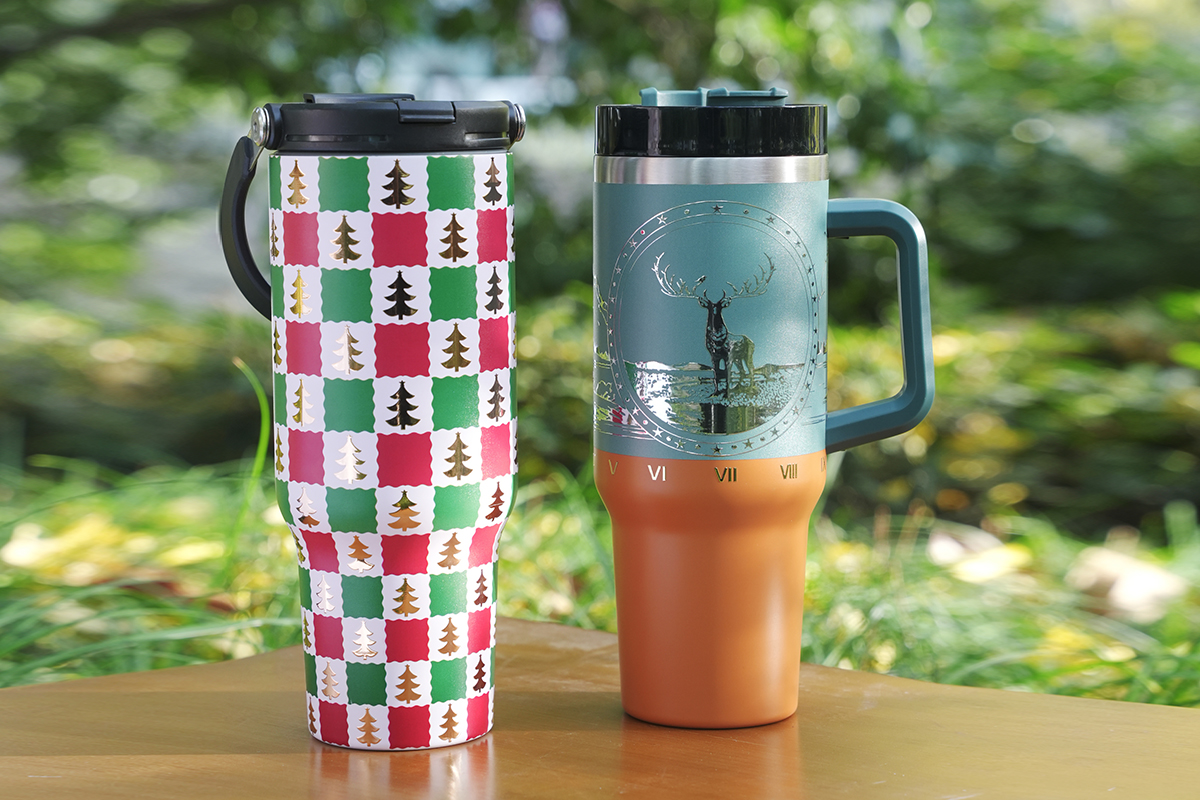
For example, 3D printing can create raised, textured logos, or logos with complex geometries that add an extra level of customization to thermos cups. With 3D printing, businesses are not confined to flat, two-dimensional designs. Instead, they can create multi-layered, three-dimensional logos that stand out visually and provide a tactile, engaging experience for consumers.
Production Efficiency: Faster Turnaround for Custom Thermos Cups
One of the most significant advantages of 3D printing is its ability to significantly reduce production time. Traditional methods of logo customization often require multiple stages, including design creation, mold making, printing, and assembly, all of which can be time-consuming and costly.
With 3D printing, the process is streamlined. Digital models of logos can be directly converted into physical products without the need for molds or excessive setup time. This allows businesses to create customized thermos cups more quickly and efficiently, meeting customer demand for personalized products with shorter turnaround times.
On-Demand Manufacturing: Reducing Inventory Costs and Waste
In addition to faster production times, 3D printing also enables on-demand manufacturing. This means businesses can produce customized thermos cups as needed, eliminating the need for large inventories or the risks associated with overproduction.
This agility allows businesses to respond quickly to changing market demands and customer preferences without the costly delays typical of traditional manufacturing processes. The ability to produce small batches or even one-off customized orders with minimal lead time also improves customer satisfaction.
Environmental Impact: Sustainable Customization with 3D Printing
Another major benefit of 3D printing is its environmental impact. Traditional methods of logo customization often involve the use of solvents, chemicals, and energy-intensive processes, all of which contribute to environmental pollution and waste.
In contrast, 3D printing is an additive manufacturing process, meaning it uses only the material needed to build the object, with little to no waste. This is a significant improvement over traditional methods, which can generate excess materials and require energy-intensive production lines.
By minimizing waste and utilizing sustainable materials, such as biodegradable plastics or recycled filament, 3D printing helps businesses reduce their environmental footprint.
Enhancing Logo Durability with 3D Printing
When it comes to durability and quality, 3D printing offers unmatched advantages over traditional methods. Logos created through screen printing and laser engraving often face challenges with fading, chipping, or wearing off over time, especially when applied to everyday products like thermos cups that experience frequent use and cleaning.
With 3D printing, logos are often integrated directly into the material rather than applied as a surface coating. This creates highly durable logos that are resistant to wear, scratching, and corrosion. For example, logos created on metal thermos cups using 3D printing can feature raised, detailed patterns that are not only visually appealing but also built to last.
Why 3D Printing is the Future of Logo Customization on Thermos Cups
As businesses continue to search for innovative ways to enhance their products and meet the growing demand for personalization and sustainability, 3D printing stands out as a powerful tool for customizing logos on thermos cups. The ability to create complex, high-quality logos with minimal waste, faster production cycles, and greater material flexibility makes 3D printing a superior choice over traditional methods like screen printing and laser engraving.
By adopting 3D printing, companies can not only produce unique and durable custom logos but also embrace a greener, more sustainable production process that aligns with consumer values. The enhanced efficiency, precision, and creativity offered by 3D printing will continue to shape the future of logo customization, providing businesses with a competitive edge and consumers with products that meet their exact needs.
Conclusion: Embrace the Future of Thermos Cup Customization with 3D Printing
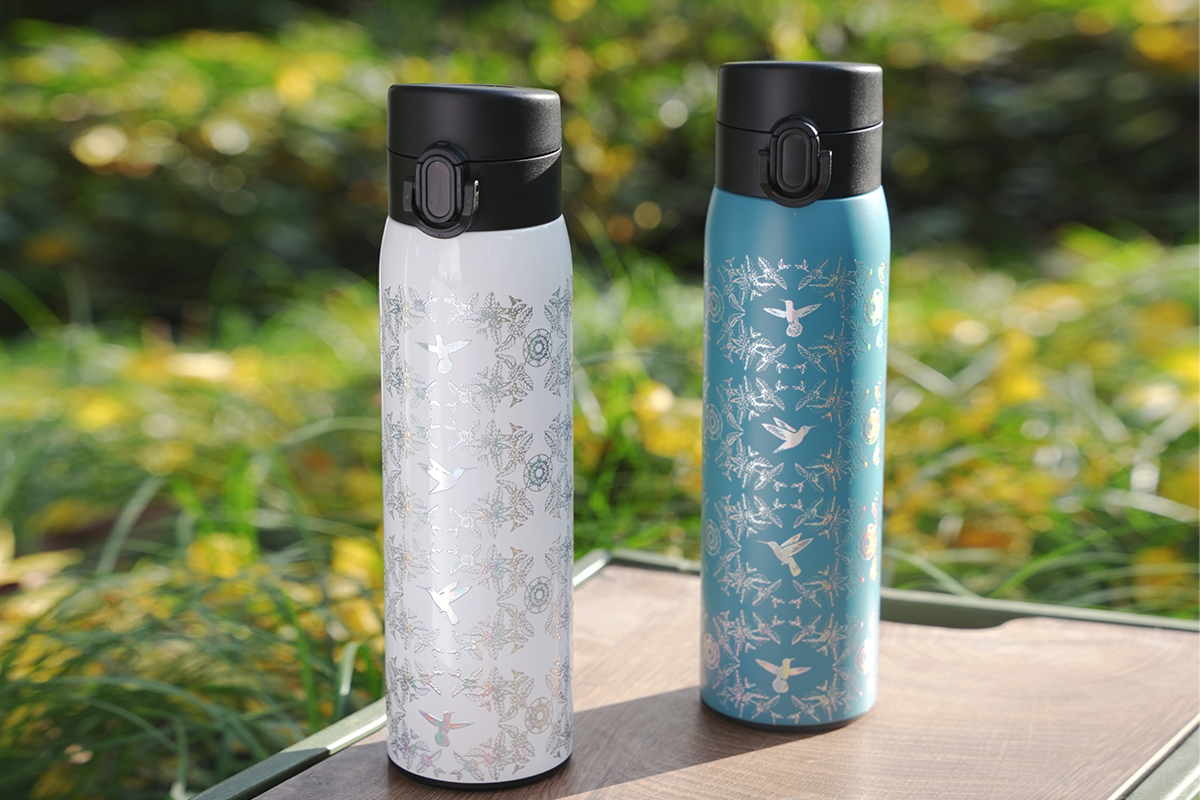
Whether you're looking to create a premium thermos cup for corporate giveaways or offer personalized thermos cups to customers, 3D printing provides the flexibility, speed, and sustainability needed to meet today’s market demands. The future of logo customization is here, and it’s 3D.




