
 English
 German
 French
 Russian
 Spanish
 Japanese
 Korean
 Portuguese
 Ukrainian
 Arabic
 Italian
Silicone is a highly versatile material used across industries, from automotive and electronics to food and medical applications. However, not all silicone is created equal. The differences between industrial-grade and food-grade silicone determine their suitability for various applications, particularly when it comes to safety and regulatory compliance. Understanding these distinctions is crucial for brand owners and consumers alike. This article explores the key differences between the two types, how to identify them, and their implications for thermos cups—a common household item that benefits from silicone components.
1. What is Silicone? A Brief Overview
Silicone is a synthetic polymer composed of silicon, oxygen, carbon, and hydrogen. It comes in various forms, including solid rubber, oils, and gels. Due to its unique chemical structure, silicone exhibits properties such as high heat resistance, flexibility, and durability, making it an ideal material for numerous applications.
While industrial-grade silicone is commonly used in non-food applications like gaskets, seals, and coatings, food-grade silicone is specifically designed for safe, direct contact with food. Understanding these categories is critical, as materials in contact with food must meet stringent safety standards.
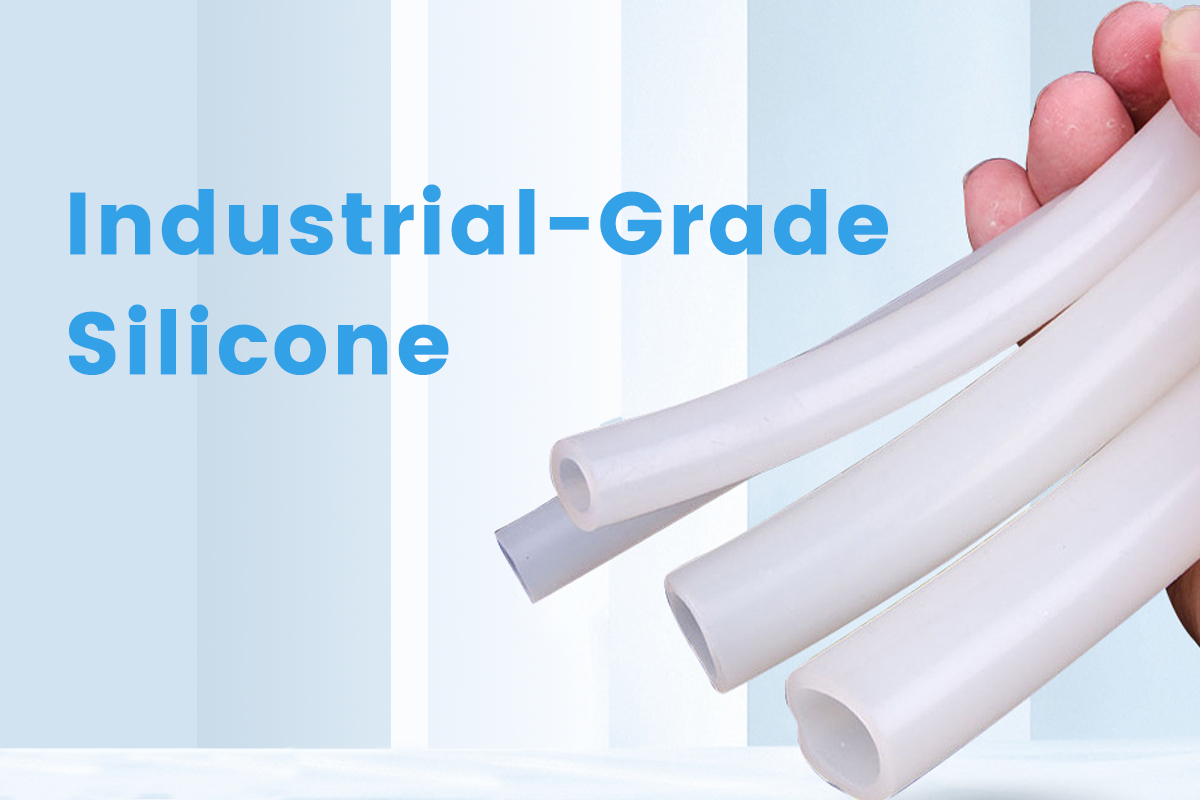
2. Industrial-Grade Silicone: Characteristics and Applications
Industrial-grade silicone is formulated for durability in harsh environments and is used in sectors such as automotive, construction, and electronics. While it provides excellent heat and chemical resistance, it is not designed for food contact.
Key Characteristics of Industrial-Grade Silicone
- Chemical Composition: May contain additives, fillers, or stabilizers that enhance mechanical properties but may be unsafe for food contact.
- Heat Resistance: Can withstand extreme temperatures (-100°F to 500°F or -73°C to 260°C), making it suitable for high-temperature industrial applications.
- Durability: Highly resistant to UV rays, ozone, and weathering, ensuring long-lasting performance in industrial settings.
Common Applications
- Automotive parts (e.g., seals, gaskets)
- Electrical insulation
- Industrial coatings and adhesives
- Construction materials
Limitations
- Potential Toxicity: May contain substances that can leach into food or beverages.
- Non-Compliance with Food Safety Standards: Not tested or approved for direct food contact.
3. Food-Grade Silicone: Safety and Benefits
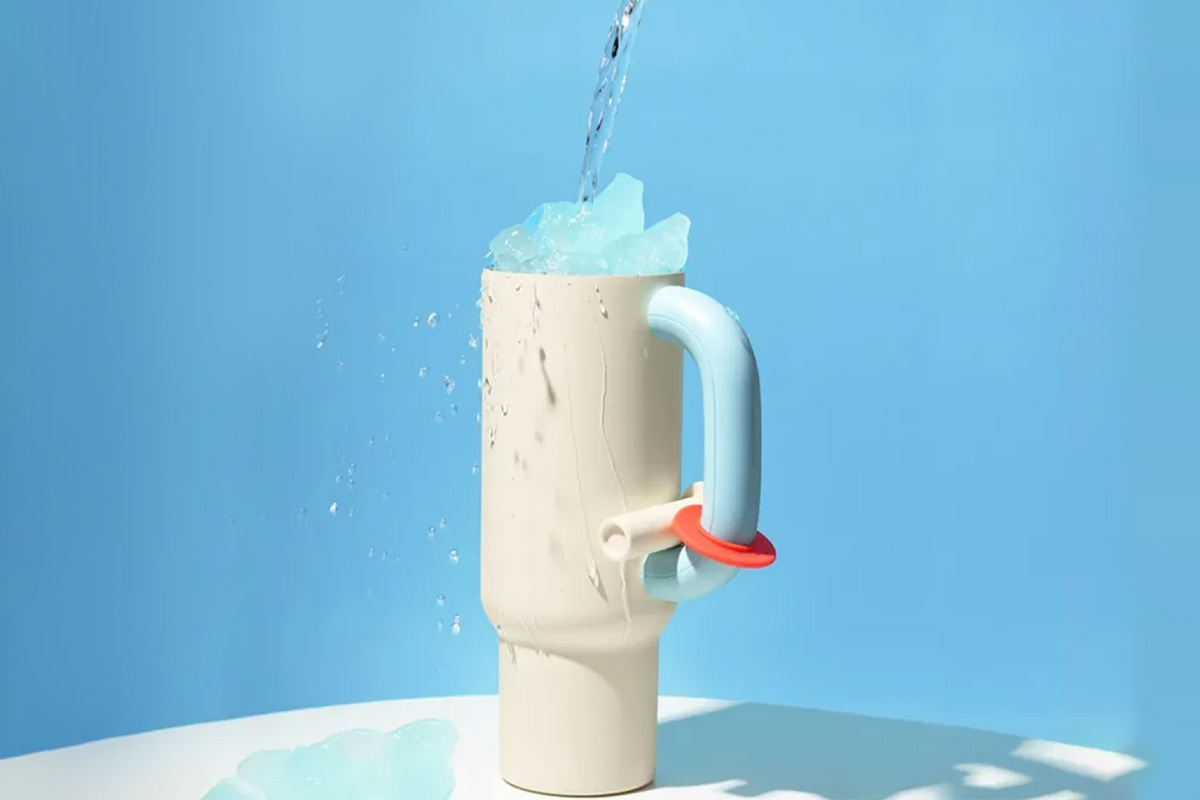
Food-grade silicone is specifically manufactured for applications involving direct food contact. It meets strict regulatory requirements set by agencies such as the U.S. Food and Drug Administration (FDA) and the European Food Safety Authority (EFSA).
Key Characteristics of Food-Grade Silicone
- Non-Toxic and Safe: Free from harmful chemicals, ensuring no toxic substances leach into food.
- Regulatory Compliance: Must meet FDA 21 CFR 177.2600 and EU safety standards for food contact materials.
- Heat Resistance: Withstands temperatures ranging from -40°F to 450°F (-40°C to 232°C), making it ideal for kitchen use.
- Non-Stick and Easy to Clean: Does not absorb food or liquids, ensuring hygiene and ease of maintenance.
Common Applications
- Bakeware: Silicone baking mats, muffin tins, and cake molds.
- Kitchen Utensils: Spatulas, tongs, and cooking brushes.
- Food Storage Solutions: Silicone food bags, lids, and containers.
- Baby Products: Pacifiers, teething rings, and bottle nipples.
4. Food-Grade vs. Industrial-Grade Silicone in Thermos Cups
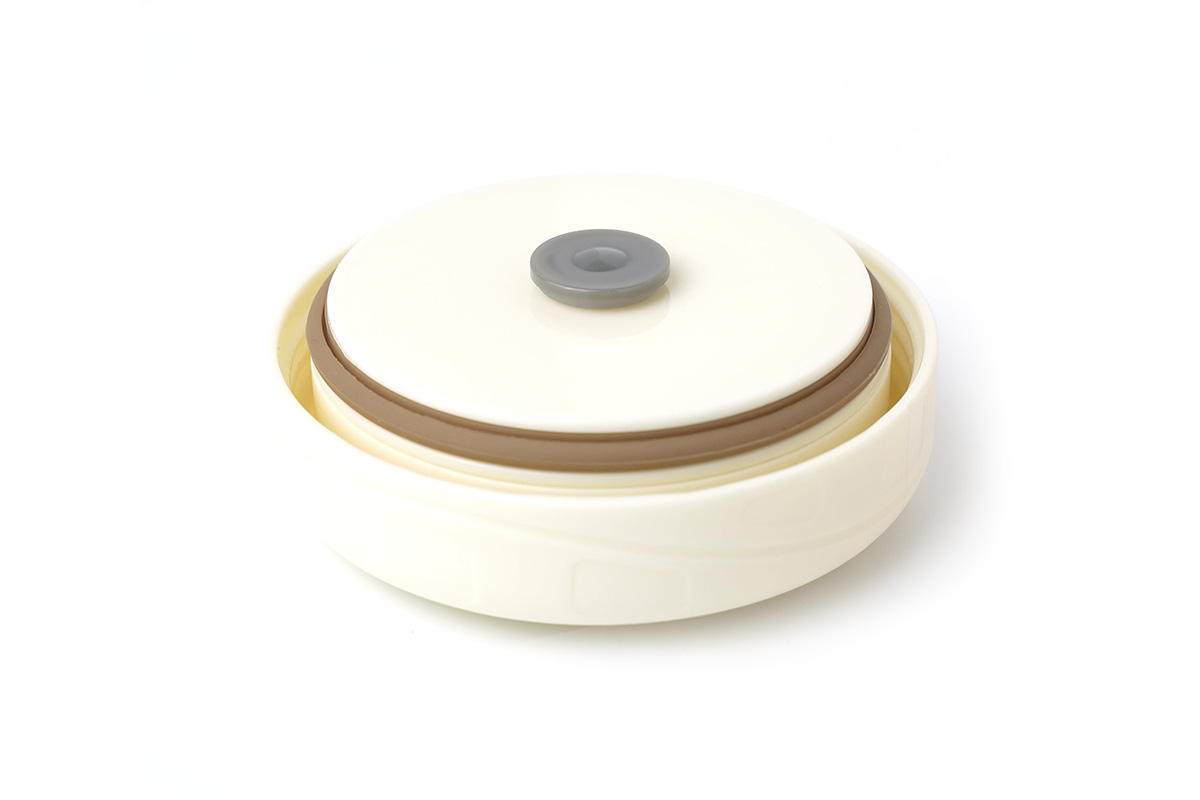
Thermos cups often feature silicone seals to ensure leak-proof closures. Given their direct contact with beverages, using food-grade silicone is essential.
Why Food-Grade Silicone is the Best Choice for Thermos Cups
- Food Safety: Ensures that no harmful chemicals leach into beverages.
- Heat Resistance: Maintains its flexibility and sealing ability under both hot and cold temperatures.
- Non-Reactivity: Does not retain flavors or odors, preserving the quality of drinks.
- Durability: Resistant to wear and tear, ensuring long-term performance without degradation.
When purchasing a thermos cup, checking that the silicone components are food-grade ensures both safety and durability.
5. Regulatory Standards and Testing for Food Safety
One of the most significant differences between industrial and food-grade silicone is the level of testing and certification required for food safety compliance. Food-grade silicone undergoes rigorous evaluations, including:
- Chemical Leaching Tests: Ensuring no harmful substances transfer to food or beverages.
- Physical Durability Testing: Verifying resistance to heat, moisture, and repeated food contact.
- Biocompatibility Assessments: Confirming safety for prolonged food exposure.
6. Conclusion: Choosing the Right Silicone for the Job
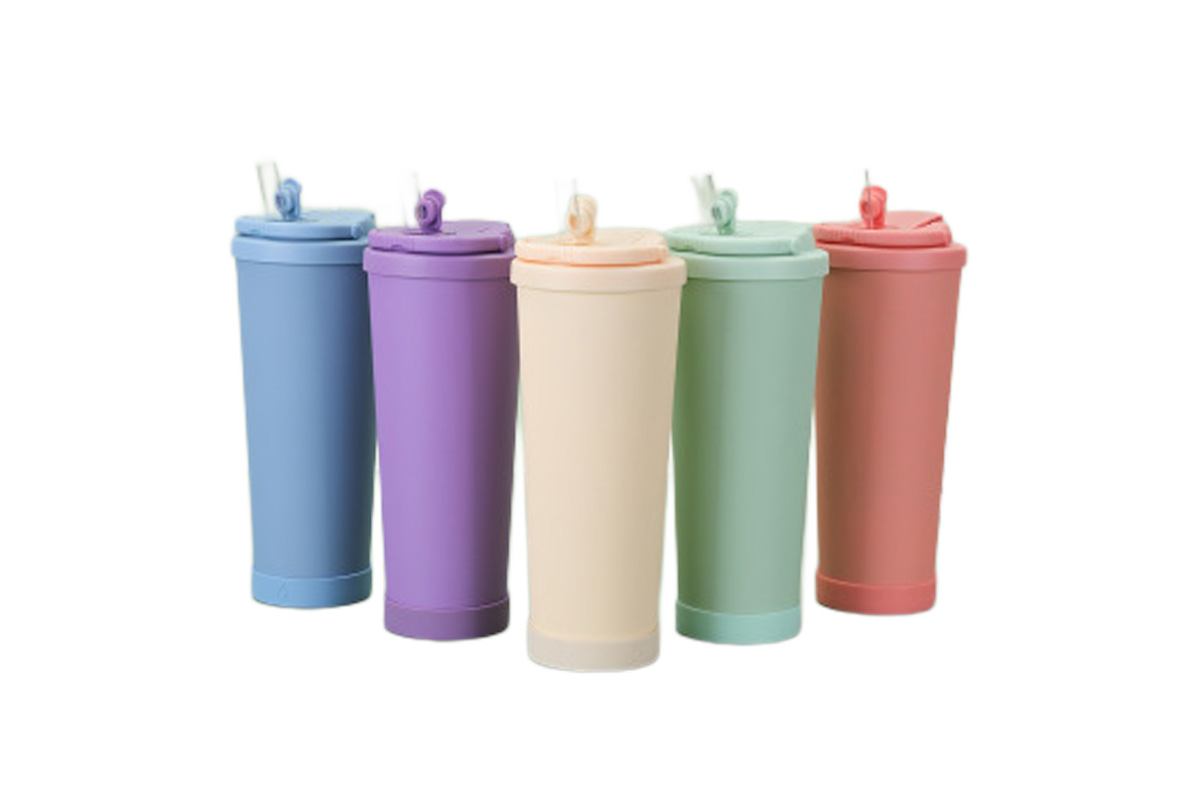
Selecting the appropriate type of silicone depends on the intended application. Industrial-grade silicone excels in high-performance applications where food safety is not a concern. Conversely, food-grade silicone is carefully designed to be non-toxic, durable, and safe for direct food contact.
For thermos cups, food-grade silicone is the superior choice, ensuring safety, longevity, and beverage quality. By understanding the distinctions between these silicone types, brand owners and consumers can make informed decisions that prioritize both safety and functionality.




