
 English
 German
 French
 Russian
 Spanish
 Japanese
 Korean
 Portuguese
 Ukrainian
 Arabic
 Italian
In today’s fast-paced, globalized economy, businesses face an ever-growing demand for high-quality products delivered quickly and efficiently. For brands in the insulated tumbler industry, contract manufacturing has emerged as a strategic solution to meet these challenges. This model not only allows companies to scale production but also enables them to focus on their core competencies, such as branding and marketing, while leaving the intricacies of manufacturing to specialized partners.
In this blog, we explore the current trends, benefits, and considerations of contract manufacturing in the insulated tumbler industry, shedding light on why it has become a game-changer for many businesses.
The Rising Demand for Insulated Tumblers
The insulated tumbler market has seen exponential growth in recent years, driven by increasing consumer demand for sustainable, reusable drinkware. According to recent market research, the global reusable water bottle market—a category that includes insulated tumblers—is projected to reach $15 billion by 2030, growing at a compound annual growth rate (CAGR) of over 5%.
Several factors contribute to this surge:
- Sustainability Trends: As consumers become more eco-conscious, single-use plastics are falling out of favor. Insulated tumblers provide a reusable, durable alternative.
- Health Awareness: People are increasingly mindful of hydration and are choosing products that maintain beverage temperatures for extended periods.
- Lifestyle Shifts: With remote work and on-the-go lifestyles, insulated tumblers are becoming essential accessories for keeping beverages at the desired temperature throughout the day.
This growing demand presents an opportunity for brands to tap into this lucrative market. However, scaling production to meet such demand can be challenging, particularly for smaller or emerging companies. This is where contract manufacturing comes into play.
What Is Contract Manufacturing?
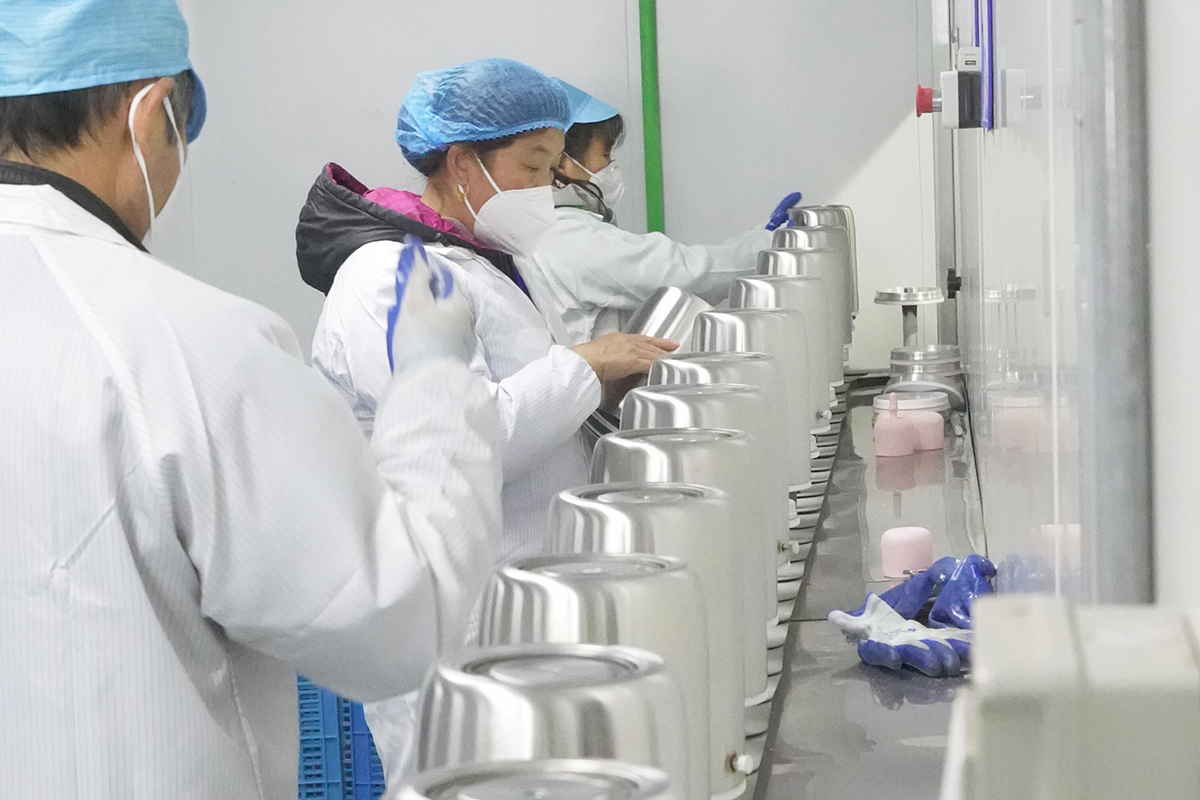
Contract manufacturing involves outsourcing the production of goods to third-party manufacturers. In the insulated tumbler industry, this means partnering with specialized factories equipped with the technology, expertise, and capacity to produce high-quality tumblers at scale.
Key Characteristics:
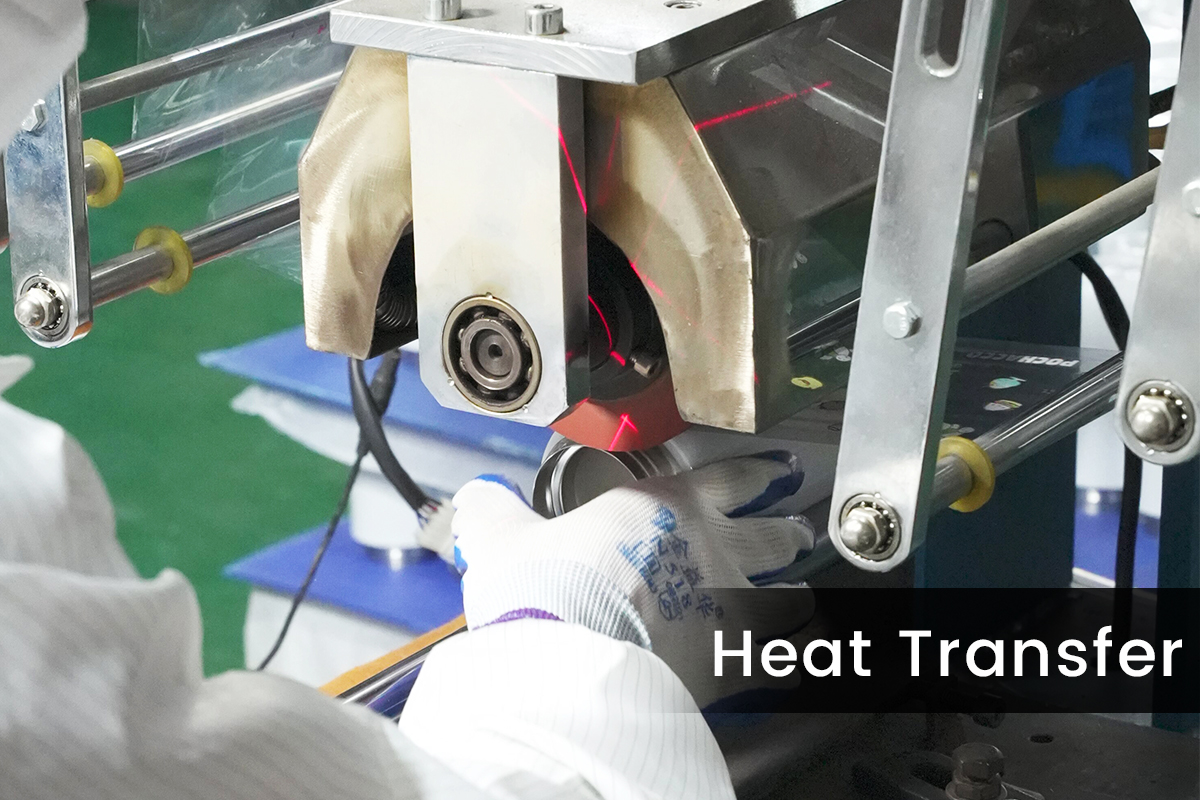
- Specialization: Manufacturers often have dedicated facilities for producing insulated tumblers, complete with advanced machinery for vacuum insulation, stainless steel molding, and BPA-free coatings.
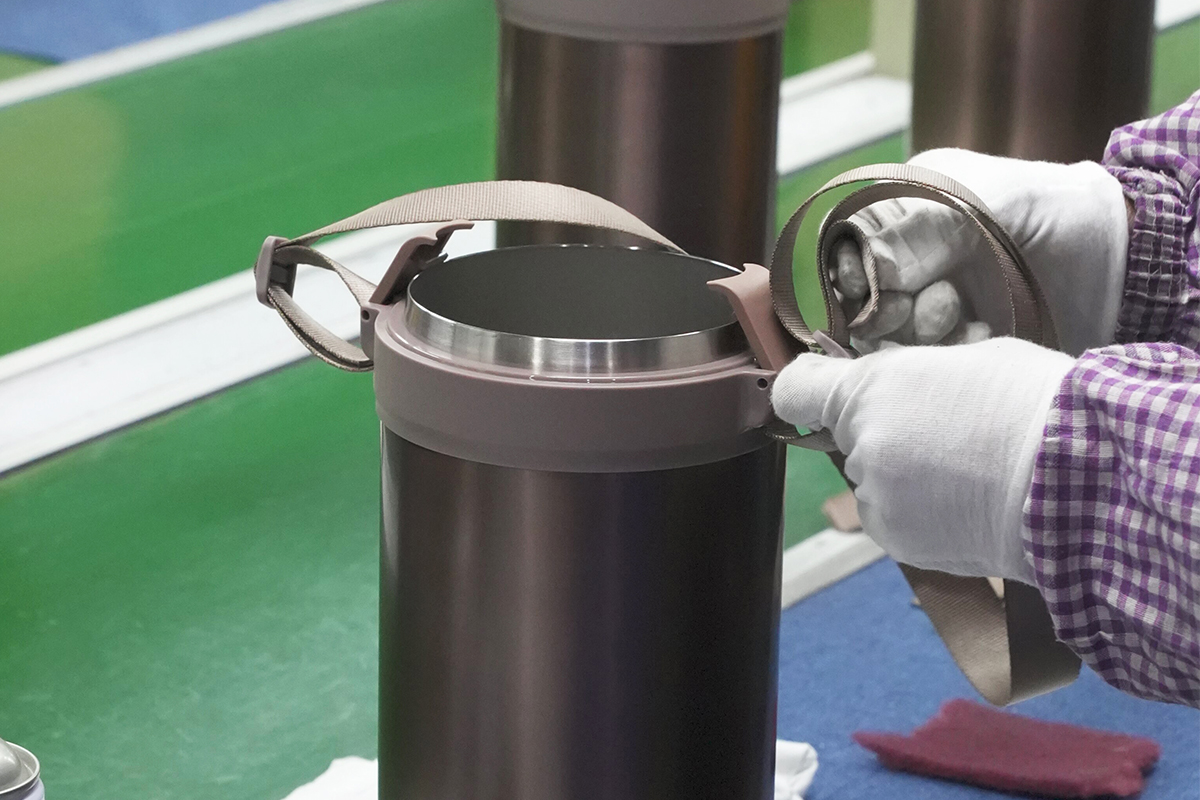
- Customization: Brands can work with contract manufacturers to design unique shapes, colors, and branding elements that align with their identity.
- Cost Efficiency: By leveraging economies of scale, contract manufacturers reduce per-unit production costs, making it easier for brands to offer competitive pricing.
Why Contract Manufacturing Is Thriving in 2024
1. Rising Labor and Material Costs
In-house production requires significant investment in facilities, equipment, and skilled labor. With global inflation and supply chain disruptions continuing to affect the industry, many brands find it more economical to outsource production to established manufacturers, especially those located in regions with lower operational costs.
2. Focus on Core Competencies
Brands can allocate resources to areas that drive growth, such as:
- Marketing and Branding: Building customer loyalty and brand recognition.
- Product Design: Innovating unique tumbler features to stand out in the market.
By outsourcing production, companies can prioritize strategic initiatives without being bogged down by manufacturing complexities.
3. Access to Expertise
Contract manufacturers often bring years of experience in the insulated tumbler industry. They stay updated on the latest technologies and trends, such as vacuum-sealed insulation and sustainable materials, ensuring that the products meet industry standards and consumer expectations.
Case Studies: Successful Examples
Yeti®
Yeti®, a market leader in insulated drinkware, partners with contract manufacturers worldwide to meet its stringent quality standards. By doing so, the company ensures that its products deliver consistent performance, a hallmark of its brand.
Start-Up Success
Emerging brands like HydroMate™ have used contract manufacturing to rapidly scale production while focusing on building their direct-to-consumer (DTC) presence. By leveraging third-party expertise, they’ve brought innovative designs to market without the overhead of running a factory.
How to Choose the Right Contract Manufacturer
Selecting a reliable partner is crucial for success. Here are key factors to consider:
- Reputation and Track Record: Research the manufacturer’s history, client base, and reviews.
- Compliance and Certifications: Ensure the manufacturer adheres to industry standards, such as FDA compliance for food-grade materials and ISO certifications for quality management.
- Scalability: Choose a partner capable of scaling production as your brand grows.
- Customization Capabilities: Ensure they can accommodate your unique branding and product specifications.
- Sustainability Practices: Given the eco-conscious market, partnering with a manufacturer that uses sustainable materials and processes can enhance your brand’s appeal.
Challenges and Risks
While contract manufacturing offers numerous advantages, it’s not without risks:
- Quality Control: Ensuring consistent product quality requires thorough oversight and regular audits.
- Supply Chain Dependency: Relying on a single manufacturer can pose risks during disruptions. Diversifying suppliers can mitigate this.
- Intellectual Property (IP) Concerns: Protecting proprietary designs and branding is essential. Clear contractual agreements are crucial.
The Future of Contract Manufacturing in the Tumbler Industry
As technology advances, contract manufacturing is set to become even more efficient. Innovations like automation, AI-driven quality control, and sustainable production methods will further streamline the process. Additionally, as brands prioritize transparency, partnerships with ethical and environmentally conscious manufacturers will be in high demand.
For businesses looking to stay competitive in the insulated tumbler industry, contract manufacturing offers a pathway to growth without the burdens of direct production. By leveraging the expertise and scalability of third-party manufacturers, brands can meet rising consumer demands while maintaining focus on their strategic goals.
Conclusion
Contract manufacturing has revolutionized the insulated tumbler industry, offering a cost-effective and efficient solution for brands aiming to scale. By understanding the nuances of this model and selecting the right partners, companies can not only meet market demands but also position themselves as leaders in a competitive landscape. As the market evolves, those who adapt and embrace this strategy will undoubtedly find themselves at the forefront of innovation and success.




