
 English
 German
 French
 Russian
 Spanish
 Japanese
 Korean
 Portuguese
 Ukrainian
 Arabic
 Italian
Double-walled vacuum insulation isn’t a new technology. In fact, it was invented nearly a century ago. The first vacuum-insulated bottle was developed in 1923 by Japanese inventor Takuya Senju, who realized that by creating a vacuum between two layers of glass or metal, he could significantly reduce heat transfer. This simple yet effective concept revolutionized the way thermos bottles worked, enabling them to keep liquids hot or cold for longer periods.
While the basic principle of vacuum insulation has remained the same, the materials and manufacturing processes have evolved over time. Today, most high-quality thermos bottles feature double-walled stainless steel, which offers improved durability and performance compared to earlier glass versions.
2. The Science Behind Double-Walled Vacuum Insulation
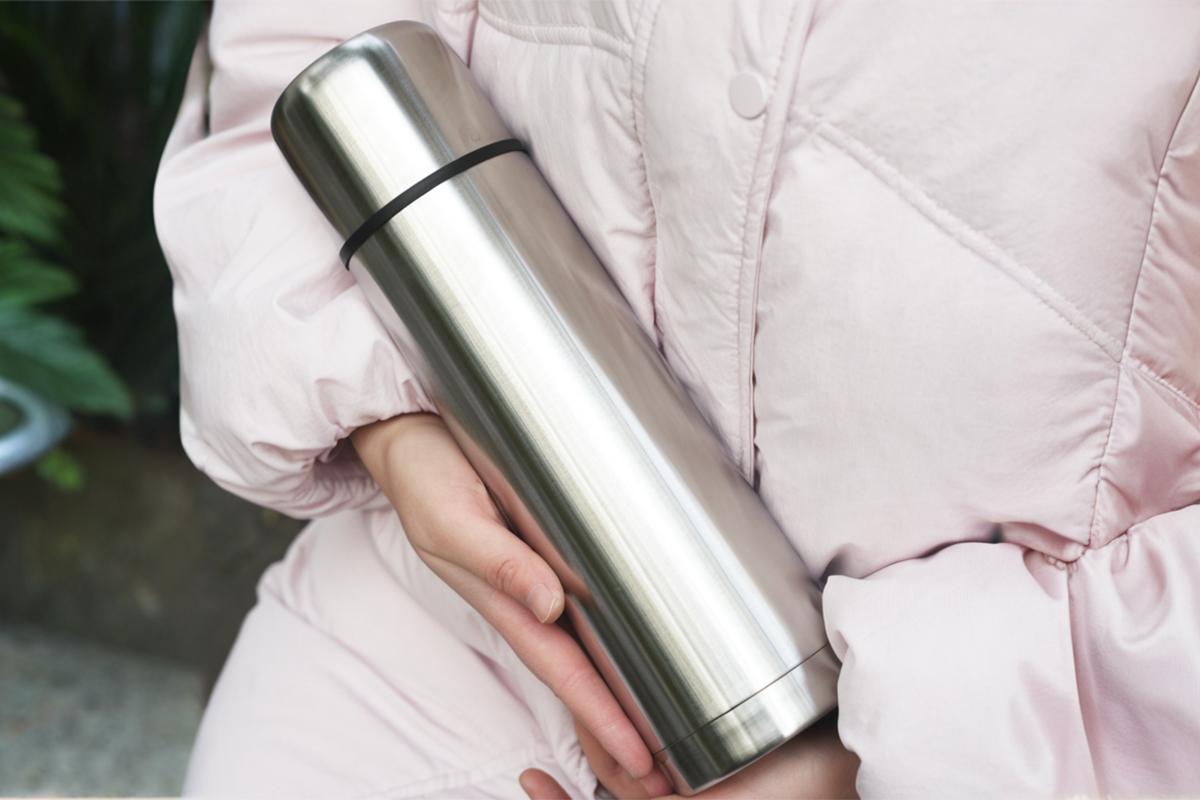
To fully appreciate the advantages of double-walled insulation, it’s essential to understand how it works. The concept is based on the principle that heat naturally flows from areas of high temperature to areas of low temperature. Double-walled vacuum insulation helps to prevent this heat transfer in three ways:
Conduction: This is the transfer of heat through a material. In a double-walled thermos bottle, the inner and outer layers of metal are separated by a vacuum, preventing heat from conducting through the material.
Convection: Heat can also be transferred through the movement of air. By creating a vacuum between the walls of the bottle, there’s no air present to carry heat away via convection, making it a more effective insulator.
Radiation: Heat can be emitted as infrared radiation. By using reflective materials on the inside of the thermos bottle, this radiation is reflected back into the liquid, further enhancing the insulation.
Together, these mechanisms ensure that beverages stay at the desired temperature for hours, whether they are hot or cold.
3. Market Trends and the Evolution of Double-Walled Insulation
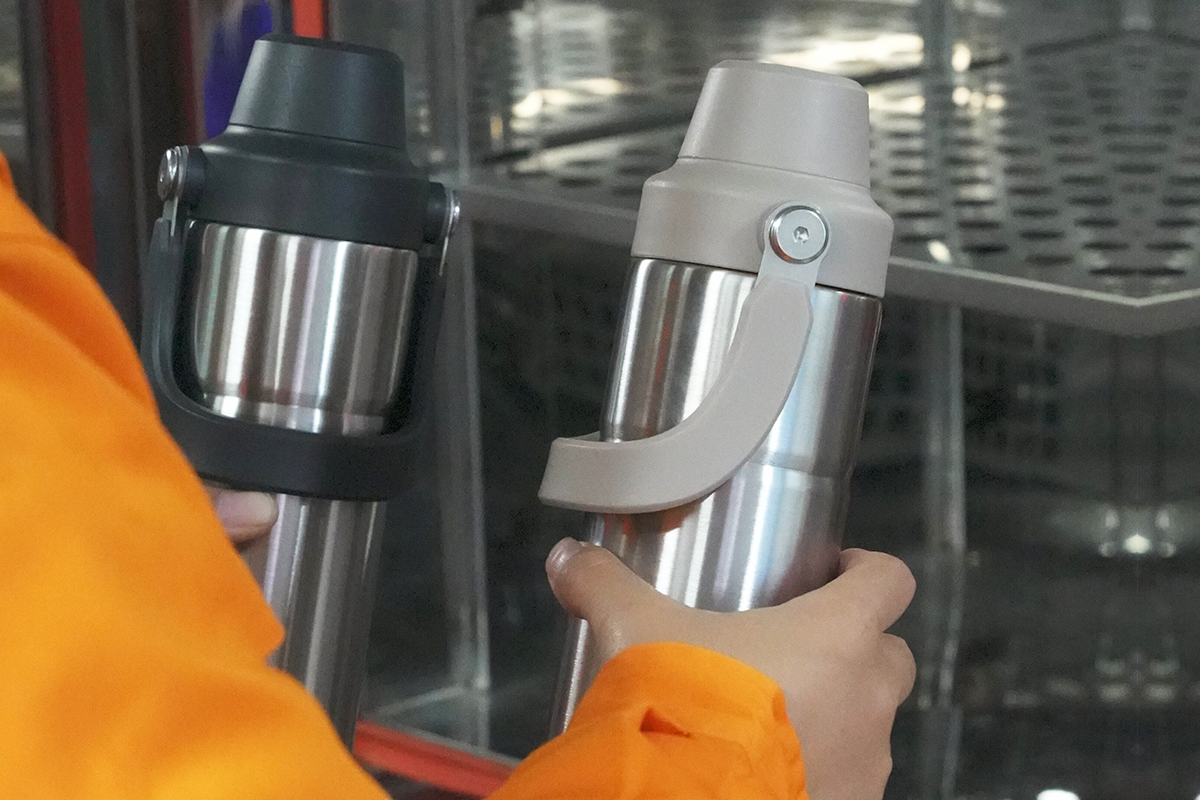
Although double-walled vacuum insulation has been around for nearly a century, it’s only in recent decades that the technology has been refined and optimized for everyday consumer use. The last few years have seen a significant evolution in both the materials used and the manufacturing techniques involved, making modern thermos bottles more efficient and user-friendly than ever before.
Here’s a brief overview of the key innovations in recent years:
High-Performance Materials: While early thermos bottles were made of glass, modern versions use high-quality stainless steel, such as 304 and 316 stainless steel, which is not only more durable but also more efficient at insulating. These materials help maintain temperature retention while improving corrosion resistance and the overall lifespan of the bottle.
Advances in Manufacturing: Today’s thermos bottles are manufactured with precision technology that ensures a tighter vacuum seal between the inner and outer walls, improving thermal retention. This results in a bottle that can keep liquids at the right temperature for much longer—up to 24 hours or more.
Enhanced Functionality: In addition to temperature retention, modern thermos bottles come with a range of features designed to improve user experience, including spill-proof lids, anti-slip grips, easy-to-clean interiors, and even designs that prevent condensation from forming on the outside of the bottle.
Thus, while double-walled vacuum insulation itself is not a recent innovation, the ongoing refinement of materials, manufacturing techniques, and additional features has led to major improvements in the performance of thermos bottles over the years.
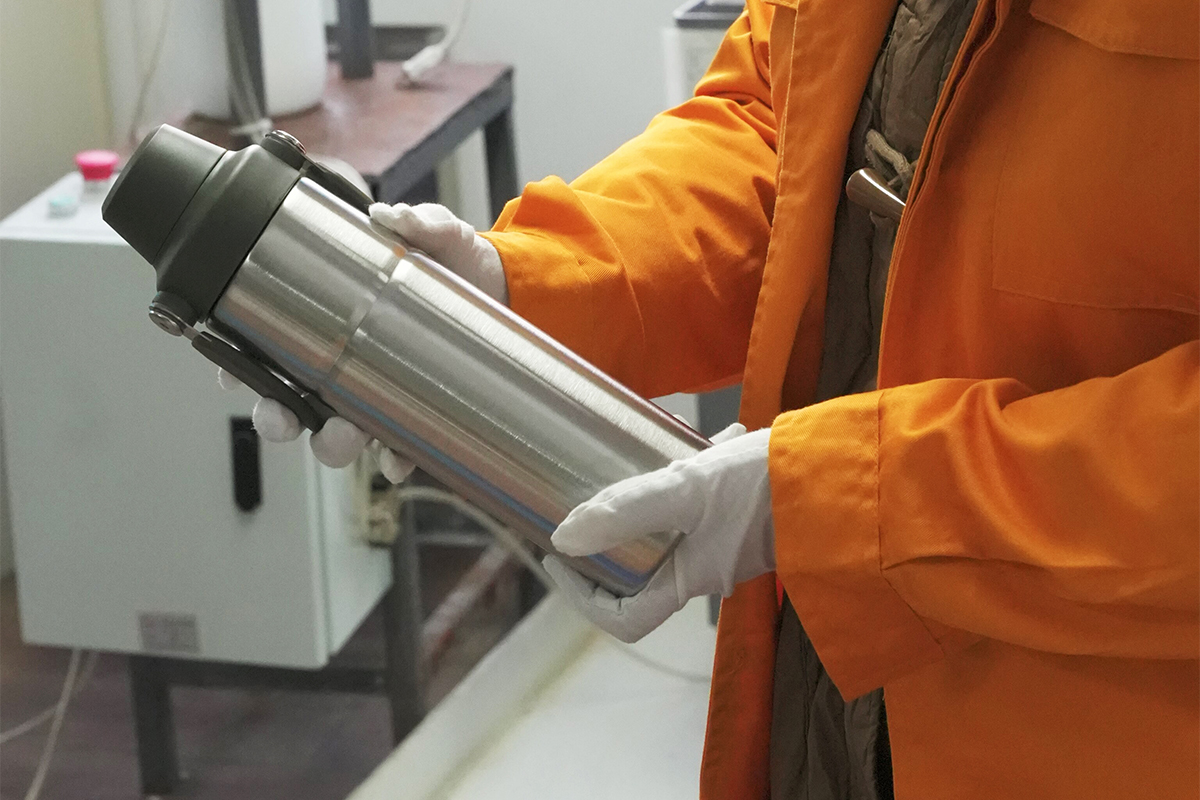
4. The Benefits of Double-Walled Insulation in Thermos Bottles
Double-walled insulation offers several key benefits, making it the go-to choice for high-quality thermos bottles. Let’s explore some of the most important advantages:
Superior Temperature Retention: One of the most significant benefits of double-walled vacuum insulation is its ability to maintain the temperature of liquids for extended periods. Hot drinks can stay warm for up to 12-24 hours, while cold drinks can remain chilled for as long as 24 hours or more, making these bottles perfect for commuting, hiking, or everyday use.
Durability: Thermos bottles made with double-walled insulation are much more durable than single-wall containers. The two layers of stainless steel provide a robust, impact-resistant structure that can withstand rough handling, making them ideal for outdoor adventures and daily wear and tear.
Condensation-Free Design: Another common issue with single-wall bottles is that they can sweat condensation, making the exterior slippery and potentially damaging the surfaces they rest on. Double-walled vacuum insulation eliminates this problem by preventing the formation of condensation on the outside, keeping both the bottle and your workspace dry.
Sustainability: With growing awareness of environmental concerns, many consumers are turning to reusable options like thermos bottles to reduce their reliance on disposable plastic bottles. Double-walled insulated bottles are a sustainable, eco-friendly choice that helps reduce plastic waste.
Improved Aesthetics: Modern thermos bottles with double-walled insulation are not only functional but also stylish. With sleek, polished designs and customizable features, these bottles appeal to consumers who want both form and function.
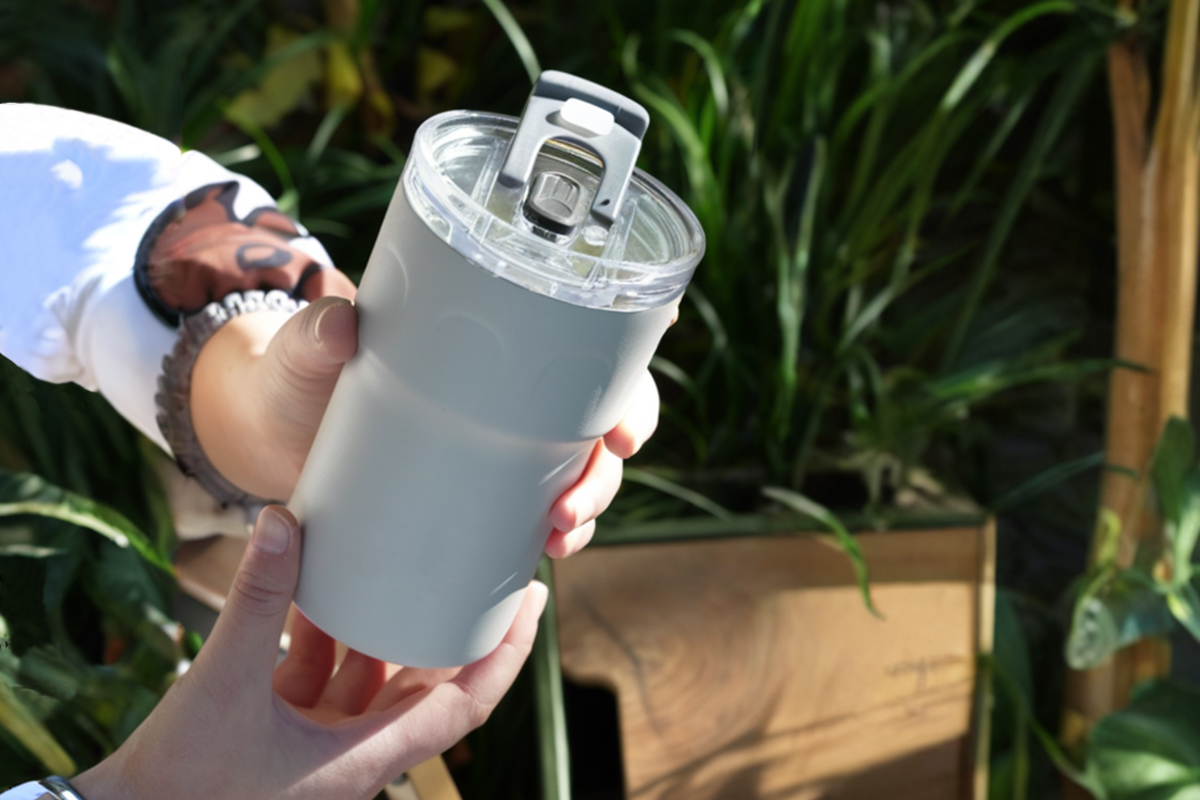
5. How Businesses Can Leverage Double-Walled Insulation Technology
For businesses, adopting double-walled vacuum insulation technology can provide several advantages. Here’s how companies in the hydration product industry can benefit from this technology:
Product Differentiation: In a crowded market, thermos bottles that feature double-walled insulation stand out for their superior performance. By emphasizing the benefits of temperature retention, durability, and sustainability in marketing campaigns, businesses can differentiate their products from competitors and appeal to a growing eco-conscious consumer base.
Brand Loyalty: Consumers today are willing to invest in high-quality, durable products. Offering thermos bottles with advanced double-walled insulation can help build trust and foster customer loyalty, leading to repeat business and positive word-of-mouth.
Customization and Corporate Gifting: Double-walled insulated bottles are popular for corporate giveaways and custom promotional items. Brands can easily personalize bottles with logos and designs, making them ideal gifts for employees, clients, or customers.
Sustainability Branding: As sustainability becomes increasingly important to consumers, businesses that promote eco-friendly practices can gain a competitive edge. By highlighting the environmental benefits of reusable, insulated thermos bottles, companies can position themselves as responsible and forward-thinking.
6. Case Studies of Successful Applications
Several leading brands have embraced double-walled insulation technology, driving their success in the market. For example, Hydro Flask, known for its high-performance insulated bottles, has built its reputation on the superior temperature retention of its double-walled vacuum technology.
Another example is S'well, which has made a name for itself by combining high-quality double-walled insulation with stylish designs. The brand’s success can be attributed to its innovative use of this technology, making it a top choice for those looking for both functionality and fashion in their hydration products.
7. Conclusion
Double-walled vacuum insulation technology has been a game-changer for the thermos bottle industry, offering exceptional temperature retention, durability, and convenience. For businesses looking to stay competitive in the growing hydration market, incorporating double-walled insulation into their products is no longer just an option—it’s a necessity.




